
How we guarantee our honey is pure and authentic
Every jar of Rowse honey is tested and tasted so you can enjoy nature’s goodness, just as the bees made it.

At Rowse, we go beyond industry standards. We test every single batch from every origin, every time.
Our in-house CLAS-approved lab, along with independent third-party testing in the UK, EU and New Zealand, ensures that only 100% pure, authentic honey carries the Rowse name.
What we test for
At Rowse, we go above and beyond to ensure every jar of honey is pure, delicious and safe. From testing for pollen to screening for pesticides, we use carefully selected tests based on the origin and type of honey, so every batch receives exactly the right level of scrutiny. We leave no stone unturned in our pursuit of honey perfection.

Sugar Profile
What it measures
The balance of glucose, fructose and sucrose.
Why it matters
Confirms authenticity and helps predict crystallisation.
Foreign Enzymes
What it measures
Detects traces of sugar syrup adulteration.
Why it matters
Protects authenticity.
Pollen (Melissopalynology)
What it measures
Identifies pollen types and counts.
Why it matters
Verifies floral or geographical origin claims.
Methyl Anthranilate
What it measures
A marker found in citrus honeys.
Why it matters
Confirms Orange Blossom honey’s floral origin.
Electrical Conductivity
What it measures
Measures mineral content.
Why it matters
Confirms honey type (e.g., floral vs. honeydew).
Isotope Ratios
What it measures
They reveal the sources of sugar and protein in honey.
Why it matters
It ensures that the sugars are naturally occurring, not added.
Manuka MPI Markers
What it measures
Five specific chemical and DNA markers used to authenticate Manuka honey.
Why it matters
Ensure it's genuine Manuka honey and classify it as mono- or multifloral.
Manuka Unique Active Compounds
What it measures
Methylglyoxal (MGO), Leptosperin and Dihydroxyacetone (DHA).
Why it matters
Grades the potency of Manuka honey.
Diastase Activity
What it measures
A natural enzyme found in honey.
Why it matters
Indicates freshness and confirms the honey hasn’t been overheated.
HMF (Hydroxymethylfurfural)
What it measures
A compound that forms as honey ages or is overheated.
Why it matters
Low HMF = fresher honey.
Moisture
What it measures
Measures water content.
Why it matters
Keeps honey from fermenting and ensures a smooth texture.
Taste
What it measures
Assessed by trained QA experts.
Why it matters
Ensures every jar tastes just as nature intended.
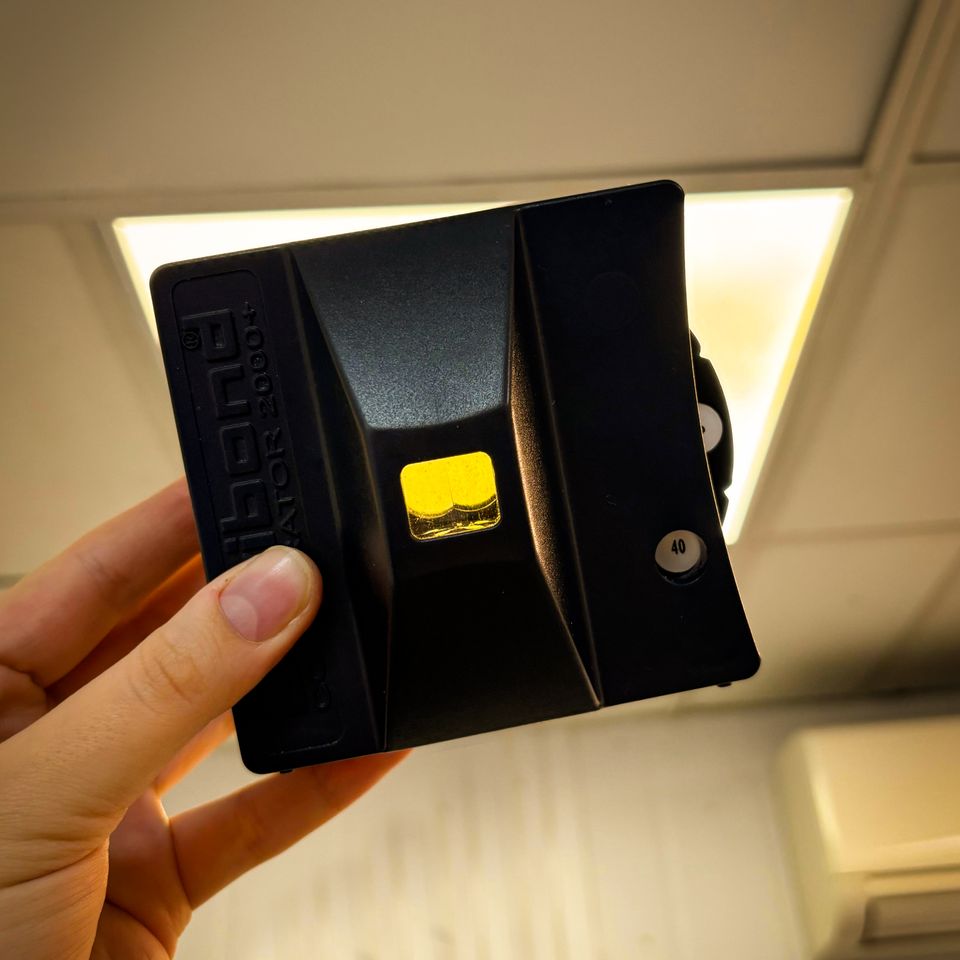
Colour
What it measures
Visual grading from light to dark.
Why it matters
Reflects floral source and consistency.
Heavy Metals
What it measures
Lead, cadmium, mercury and arsenic.
Why it matters
Because even tiny amounts can affect your health.
Pesticides
What it measures
We screen test for over 700 pesticides.
Why it matters
Pesticides used in agriculture can contaminate nectar and pollen, harming bees and affecting honey quality.
Water Insoluble Solids
What it measures
Detects wax or hive particles.
Why it matters
Confirms purity and clarity.
Veterinary Residues
What it measures
Ensures no trace of substances used in animal health treatments.
Why it matters
Guarantees safety and compliance with EU food standards.
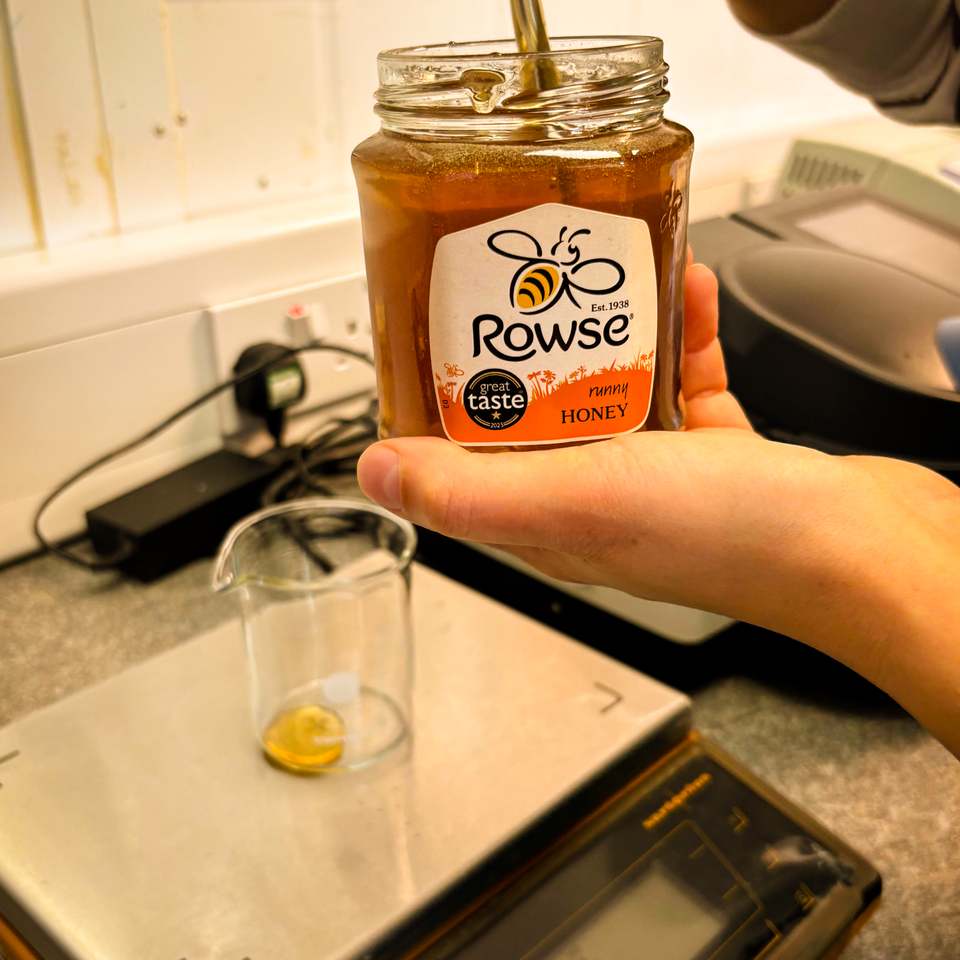
0101
Arrival & Initial Checks
Before it even reaches us, the honey is carefully tested multiple times, and we review these results to ensure its quality and authenticity.
Then once it arrives at our site, our Quality Assurance (QA) team conducts organoleptic testing using their senses to check that it looks, smells, and tastes exactly as honey should.
We also test for authenticity, safety, and freshness before packing begins.
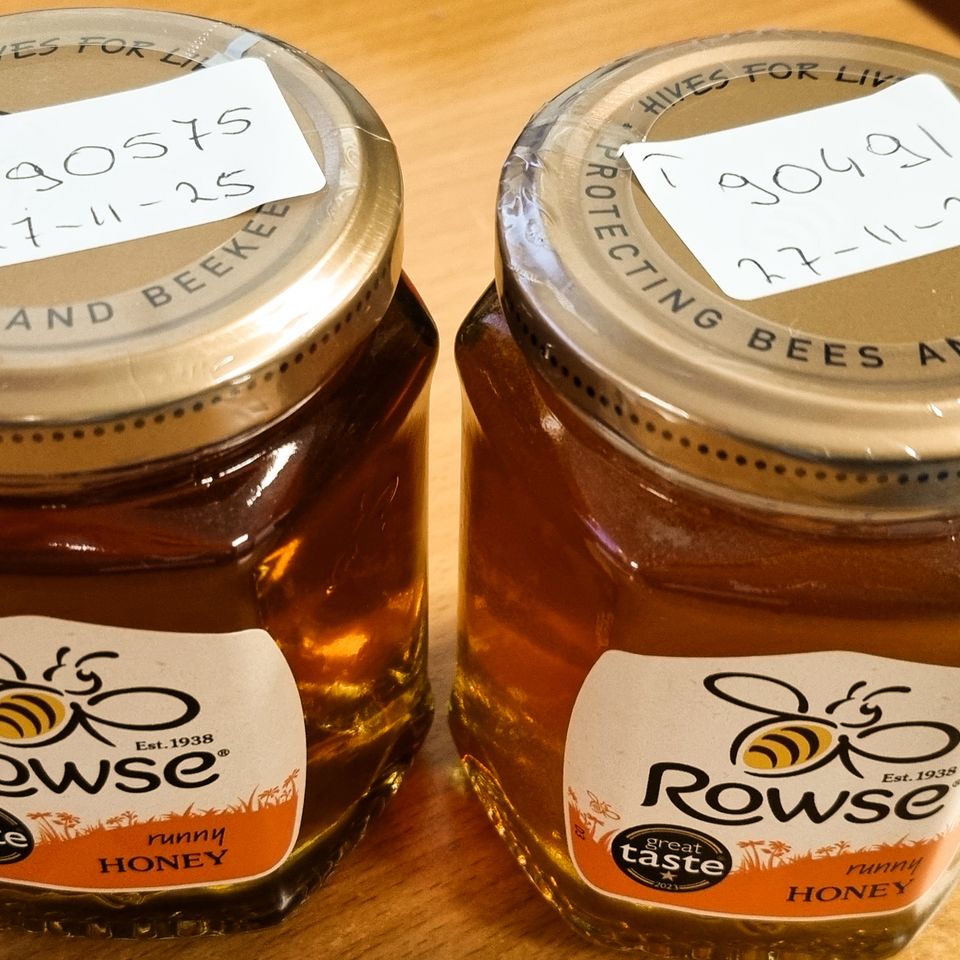
0202
Batch Testing
Every batch of honey goes through multiple analytical and sensory tests to ensure it meets Rowse’s strict standards and all UK regulations.
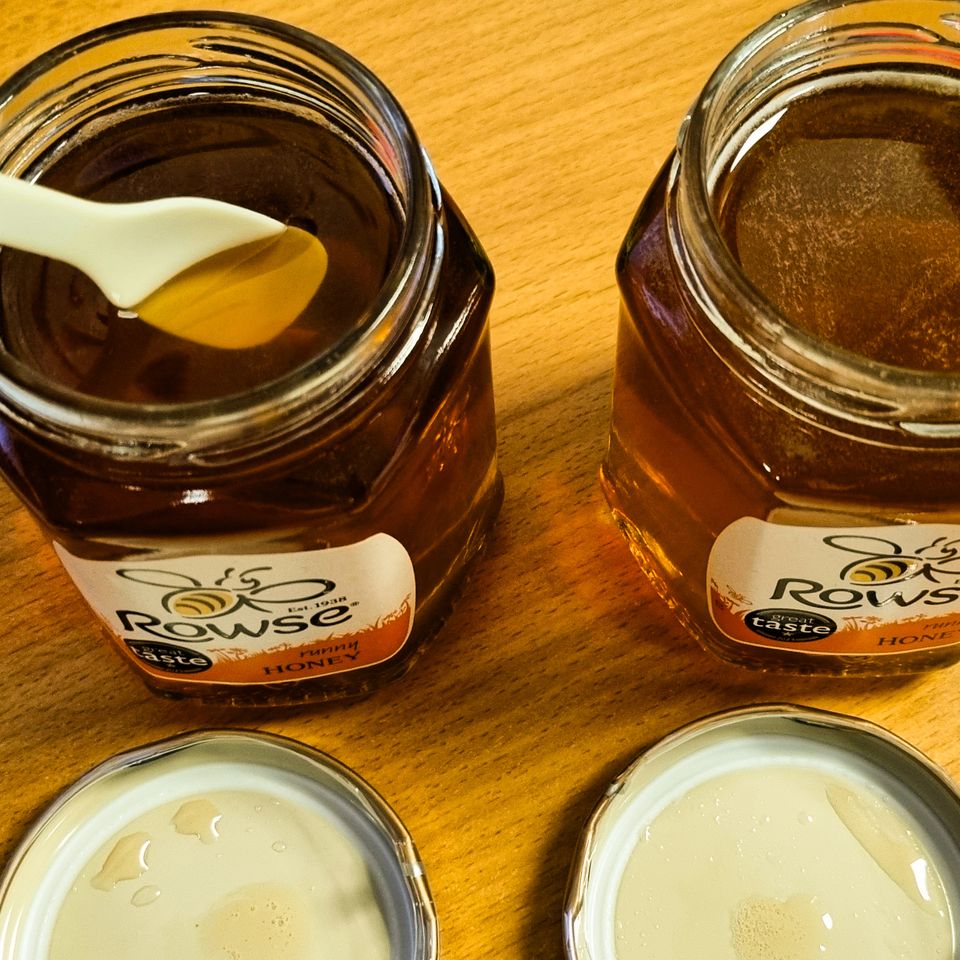
0303
Sensory Panels
Each batch is tasted twice, once just after packing, and again 24 hours later.
Our wider team also runs daily tasting panels to maintain consistency and flavour quality.
0404
Finished Product Testing
Once packed, every batch is checked again to ensure Rowse quality in every jar.

Light & Mild Honey
Sensory Testing
Every batch of Rowse honey is organoleptically tested, meaning our experts assess it by sight, smell and taste.
We test twice: once straight after bottling, and again once cooled, to ensure consistency.
Our daily tasting panels bring together team members from across Rowse to maintain the natural flavour our honey is known for.


Manuka: Verified at Every Step
Manuka honey is one of the most carefully verified honeys in the world. Every batch undergoes testing both in New Zealand and the UK to confirm its authenticity, purity and potency.

We’re proud to meet some of the most trusted and respected standards in food safety and quality.
We’re certified to the BRCGS Global Standard for Food Safety, a leading international benchmark. This ensures that every step of our production process meets rigorous hygiene, safety, and traceability requirements.
For our organic honey, we’re certified by the Soil Association, the UK’s most recognised organic body. This guarantees the honey comes from hives managed in line with strict organic and environmental standards. We have a range of organic products; see our product listing for more details.
Some of our honey products are certified kosher, meaning they meet the requirements of Jewish dietary law. This certification ensures they are suitable for kosher diets and have been prepared with care and integrity.